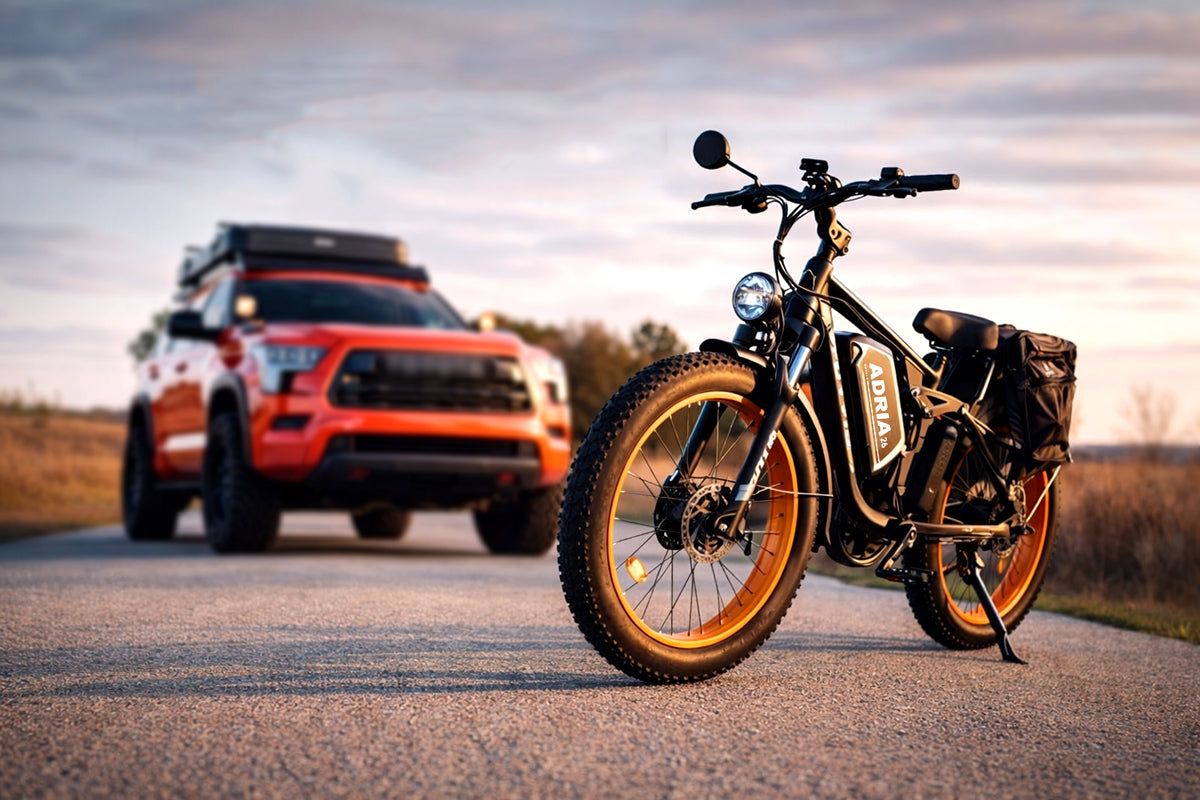
Why Rising Oil Prices Are Pushing More People Toward Electric Bikes
The Reality: Fuel Prices Are No Longer Predictable
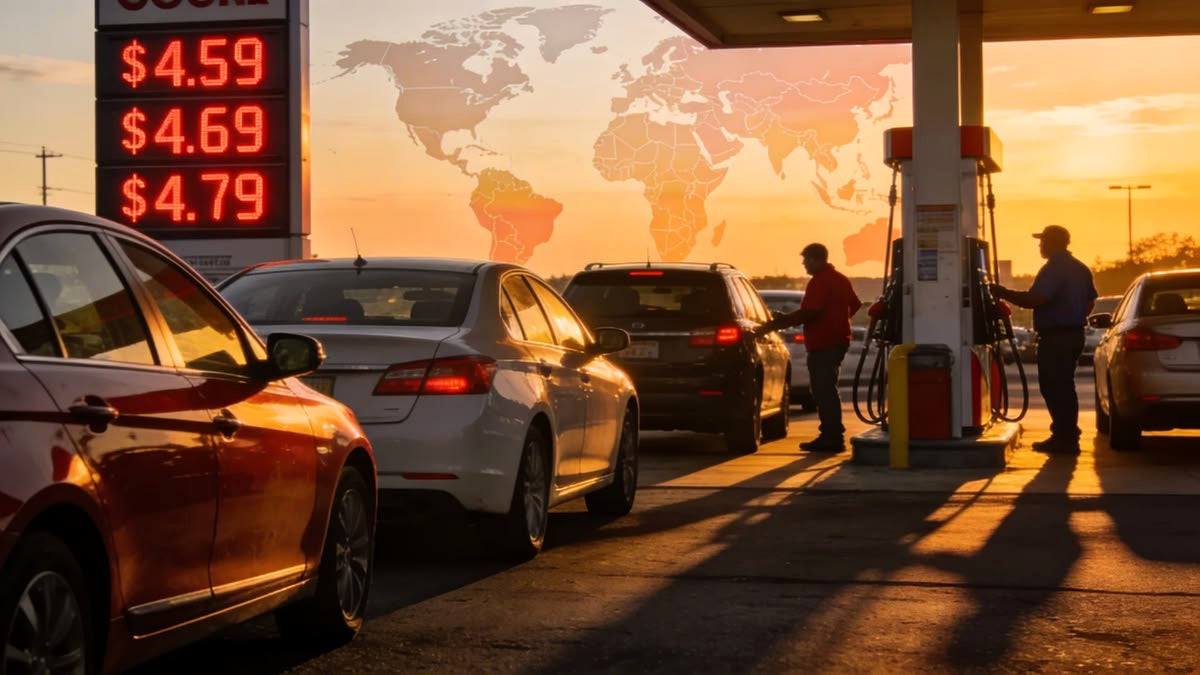
Over the past few years, fuel prices have followed one clear pattern—volatility, with a steady upward trend. Whether it's global supply disruptions, inflation, or seasonal demand spikes, one thing is certain: relying on gas-powered transportation is becoming increasingly expensive.
At the same time, ongoing geopolitical tensions continue to add uncertainty to global energy markets. Strategic chokepoints like the Strait of Hormuz—through which a significant portion of the world’s oil supply passes—remain critical risk factors. Even temporary disruptions can send shockwaves through fuel prices worldwide.
For everyday commuters, this isn’t just news—it’s a growing, unavoidable cost.
A Cheaper Alternative Hiding in Plain Sight
While gas prices continue to fluctuate, there may actually be a much cheaper solution sitting right under their noses.
Today, for under $1,500, you can get a surprisingly capable e-bike that reaches speeds of up to 45+ mph (72+ km/h) and delivers a range of 70–100 miles (≈113–161 km) on a single charge.
At that level, you’re no longer looking at “entry-level alternatives,” but machines that quietly step into the role of daily transportation—some even pushing into dual-motor setups and higher-speed configurations that used to feel reserved for gas-powered options.
That’s not just a gadget—it’s a genuinely practical commuting tool. One that can replace a large portion of your daily car trips, while costing only a few cents per charge.
Over time, the savings aren’t small—they’re structural.
The Hidden Costs of Driving
Driving isn’t just about fuel. It’s a layered system of ongoing expenses and daily friction.
For daily commuters, the impact adds up quickly. A typical car commuter may spend:
- $80–$200 per month on fuel
- Additional costs on maintenance
- Insurance and parking fees
Over a year, that could easily exceed $2,000–$4,000 just to get to work.
And if fuel prices continue rising, those costs will only grow.
On top of that, there are the less visible costs:
- Time lost in traffic congestion
- Stop-and-go inefficiency on short trips
- The constant need to refuel and maintain
For many urban and suburban commuters, cars are often overkill for what are actually short, repetitive daily routes.
Why eBikes Make More Sense Than Ever
Electric bikes strip commuting down to something simpler, cleaner, and far more efficient.
They offer:
- Consistent, ultra-low operating costs — no fuel, minimal maintenance
- Time efficiency — bypass traffic using bike lanes and alternative routes
- Ease of use — pedal assist eliminates the strain of traditional cycling
- Flexibility — ideal for both short commutes and longer rides
- Quiet, low-impact travel — better for both the rider and the environment
And as the category matures, the gap between “bike” and “vehicle” is fading. It’s now common to see builds that combine long-range batteries, high torque output, and stability-focused geometry in a single platform—whether that shows up as a fast commuter or a dual-motor, all-terrain setup that can handle far more than just city streets.
In many scenarios, an e-bike isn’t just cheaper than a car—it’s simply more efficient.
Overcoming Common Concerns About eBikes
Thinking about switching but still have some doubts? That’s completely understandable. Like any new technology, e-bikes come with questions. But most concerns are far less limiting than they seem.
Battery Life: Will It Last?
One of the biggest worries is running out of battery mid-ride.
In reality, modern e-bikes are built to go the distance. Many models offer 40+ miles per charge, which is more than enough for most daily commutes. Higher-capacity setups can reach 70–100 miles, especially on bikes designed with larger battery systems and more efficient power management.
And for longer trips:
- Carrying a spare battery is simple
- Charging at work is increasingly common
- Removable batteries make indoor charging easy
In practice, range anxiety is rarely an issue for everyday riders.
Cost: Are eBikes Too Expensive?
It’s true that some premium e-bikes can be expensive. But the market has evolved quickly.
Today, there are plenty of affordable options—some costing less than a yearly public transport pass.
And compared to owning a car, the economics are clear:
- No gas
- No insurance
- No major repair bills
Just a low-cost battery charge.
Even when you step into higher-performance territory—faster builds, dual motors, longer range—the total cost of ownership still lands far below any gas-powered alternative.
Safety: Are eBikes Dangerous?
Safety ultimately depends on how you ride—but modern e-bikes are safer than ever.
- Improved braking systems (hydraulic or mechanical disc brakes) provide strong, reliable stopping power—even on wet roads
- Integrated lights and reflectors ensure visibility day and night
- Stronger frames and wider tires increase stability and control
On more performance-oriented builds, wider tires and suspension setups add another layer of confidence—especially when riding at higher speeds or on mixed terrain.
Add a quality helmet and basic road awareness, and e-biking becomes a highly safe and manageable form of transportation.
More Than a Trend—A Shift in How We Move
E-bikes aren’t just a passing trend—they’re becoming a default choice for modern commuting.
With rising fuel costs, unpredictable public transport, and increasing environmental awareness, more people are rethinking how they get around.
And e-bikes fit perfectly into that shift.
They’re:
- More affordable than cars
- Often faster than public transit in cities
- A practical way to stay active
- Environmentally friendly with zero emissions
They reduce congestion, improve air quality, and make daily travel more enjoyable.
The Momentum Is Already Here
E-bike adoption is accelerating rapidly, with significant growth in recent years. More commuters are making the switch—not just for cost savings, but for control, flexibility, and quality of life.
If you’ve ever considered replacing your daily drive with something more efficient, more affordable, and far more enjoyable—this might be the moment.
Final Thoughts
Gas prices may always be unpredictable.
But your commute doesn’t have to be.
An electric bike offers something rare in today’s world:
consistency, simplicity, and freedom from the pump.
The shift isn’t coming. It’s already happening.
The only question is whether you’re still paying for gas when you don’t have to.